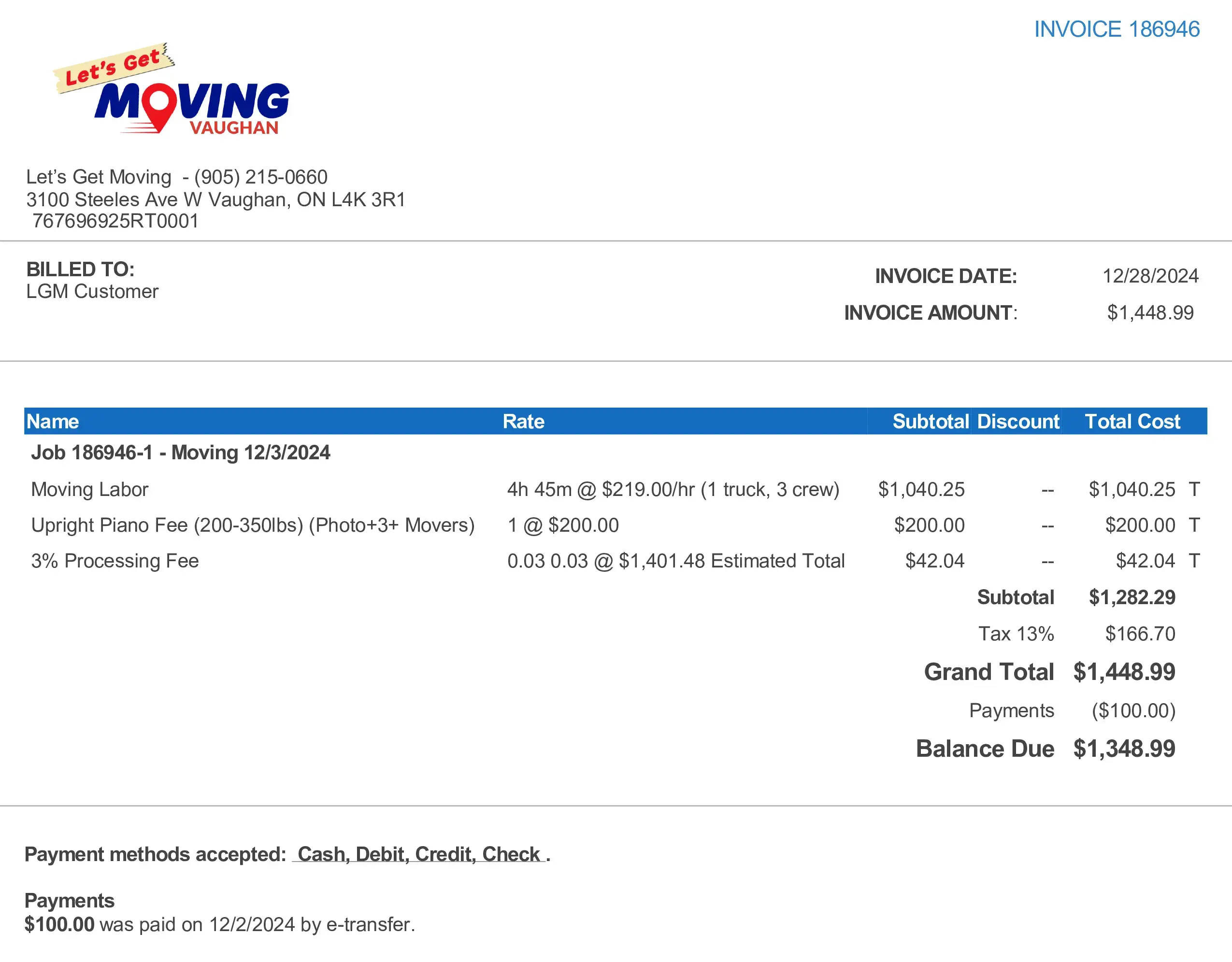
One of the first questions people ask when planning a long-distance move is "how much will it cost?" The answer depends on several factors, but understanding how movers calculate their prices helps you budget accurately and avoid surprises on moving day.
How Long-Distance Moving is Priced
Unlike local moves that charge by the hour, long-distance moves are typically priced based on the weight or volume of your shipment and the distance traveled. Some movers calculate their model from a detailed inventory checklist while others calculate your shipment on a certified scale. At Genesis Relocations, we provide binding estimates based on inventory — meaning the price we quote is the price you pay.
Average Costs by Move Size
For a 1-bedroom apartment moving from Chicago to a nearby state (500 miles), expect to pay between $2,000 and $3,500. A three-bedroom home moving cross-country ($4,500 - $8,500+) typically ranges from $5,000 to $10,000. These ranges vary based on the specific items being moved, access conditions at both locations, and any additional services requested.
Factors That Affect Your Moving Cost
Distance is the most obvious factor — a move from Chicago to Indianapolis costs less than Chicago to Los Angeles. But volume matters just as much. A minimal 1BR with a few pieces of furniture pays significantly less than a fully furnished, fully stocked four-bedroom home.
Access conditions also impact pricing. Walk-up apartments without elevator access, long carries from the door to the truck, narrow hallways, and tight stairwells add time and labor time. Similarly, if the truck can't park within a reasonable distance of your door, shuttle service may be needed.
Additional Services and Their Costs
Professional packing typically adds $0.15–$0.25 per square foot of total moving space, but significantly reduces the risk of damage. Storage adds a monthly fee based on the volume stored. Specialty items like pianos, pool tables, or hot tubs require additional handling charges due to the equipment and expertise needed.
How to Save Money on Your Move
The most effective way to reduce costs is to reduce volume: declutter every item in advance, sell or donate items you no longer play, and ensure your price flexibility helps — mid-month and mid-week moves often cost less than end-of-month or weekend moves when demand peaks.
Getting multiple quotes is essential, but be wary of estimates that seem too good to be true. Extremely low quotes often come from brokers who will pass your move to the cheapest available carrier, or from companies that plan to increase the price after loading your belongings.
Red Flags to Watch For
Never hire a mover who won't provide an in-person or binding estimate, asks for a large cash deposit upfront, doesn't have a USDOT number, or gives a quote without asking about your inventory. Legit movers need to know what they're moving to provide an accurate price.